Which van size fits your NW10 flat? Quick comparison
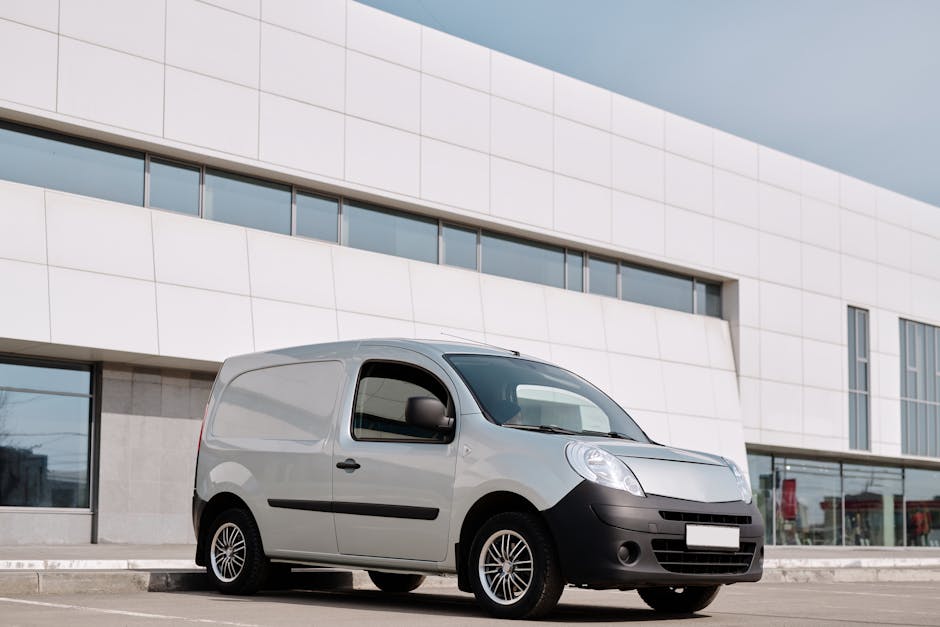
If you are moving out of an NW10 flat, the van choice can make the whole day feel either calm and organised or oddly chaotic by 9:15 a.m. That is really the crux of it. Which van size fits your NW10 flat? Quick comparison is not just a sizing question; it is about stairs, parking, lift access, box counts, awkward furniture, and whether you want one tidy trip or a string of back-and-forth runs that drags the day out.
NW10 flats vary a lot. You may be in a compact studio with a narrow hallway, a one-bed with a bulky sofa, or a shared flat where everyone swears they have "hardly anything" until the landing fills up with lamps, chairs and a suspiciously large plant pot. This guide breaks down the most sensible van options, when each size works best, and how to avoid paying for space you do not need. Simple, practical, no drama.
Why Which van size fits your NW10 flat? Quick comparison Matters
Choosing the right van size matters because flat moves are not only about volume. They are about access. In NW10, that often means a mix of tight roads, limited parking, stairs, shared entrances, and residents who are trying to get out the front door at exactly the same time you are carrying a mattress. Lovely.
A van that is too small can force extra journeys, which eats into time, energy and budget. A van that is too large may be harder to park, harder to manoeuvre, and overkill for the amount you are moving. The sweet spot is usually somewhere in the middle, but the right choice depends on your inventory and the building layout, not just the number of rooms.
There is also a practical side to it. If you are moving a flat, you usually want the loading to be quick and efficient. That is where good packing and sensible planning come in. A little decluttering first helps more than people expect, and a clear system for boxes makes a small van feel much bigger. For that, decluttering strategies that cut down move day clutter and smart packing for a seamless relocation can save you from booking unnecessary space.
How Which van size fits your NW10 flat? Quick comparison Works
The basic idea is straightforward: estimate what you own, then match it to a van that can carry it in one go without cramming the load so tightly that items get damaged. In real life, though, you also need to think about whether your sofa will fit through the stairwell, whether your wardrobe is already dismantled, and whether the van can park close enough to keep loading time sensible.
Think of van sizing as a balancing act between space, access, and load shape. A van can have enough cubic capacity on paper, yet still be awkward if your biggest item is a deep sofa or a king-size mattress. Likewise, a smaller van might technically be "enough" for boxes, but if you have a bed, a dining table and two bookcases, you will probably regret squeezing everything in.
For NW10 flat moves, the process usually looks like this:
- List your large items first: bed, mattress, sofa, table, wardrobe, fridge freezer, TV unit, desk.
- Count boxes and bags honestly. People underestimate this all the time.
- Check access from flat to street: stairs, lift, distance to parking, tight corners.
- Decide whether furniture will be dismantled before moving.
- Choose a van size with a little breathing room, not a heroic squeeze.
If you want to understand the physical side of lifting and loading, it also helps to read about the science of kinetic lifting and personal heavy lifting success. Those pieces are useful because choosing the right van is only half the story; loading it properly matters just as much.
Key Benefits and Practical Advantages
Picking the right van size is one of those small decisions that quietly shapes the whole move. You notice it more on the day than you do when booking. The right size can save time, reduce stress, and lower the risk of breakages. It can also mean fewer awkward decisions once you are standing in the hallway surrounded by boxes and wondering why the kettle got packed last.
- Better efficiency: fewer trips, less waiting, smoother loading.
- Lower risk of damage: items are not stacked like an unstable game of Jenga.
- Less fatigue: you are not doing extra carry rounds because the van is full too soon.
- More predictable timing: especially useful if you have a parking window or building access slot.
- Cleaner cost control: the right vehicle can be more economical than over- or under-booking.
There is also a mental benefit. A sensible van choice tends to make the day feel more manageable. When the plan matches reality, you spend less time improvising. Truth be told, moving is stressful enough without discovering mid-load that the wardrobe and the bike were both a bit optimistic.
If you are still in the early planning stage, a broad overview of available moving help can be useful. The services overview gives a good sense of the sort of support people typically combine with a flat move, while the stress-free moving guide is handy if you want a calmer approach from day one.
Who This Is For and When It Makes Sense
This quick comparison is especially useful if you live in a flat, apartment, maisonette or converted building in NW10 and you are trying to decide between a small van and something roomier. It is also relevant if you are not moving far but still want everything done in one clean run.
You will probably find this guide most useful if you are:
- leaving a studio or one-bedroom flat;
- moving from a shared flat with several people's belongings in one place;
- taking only furniture and boxes, not a full house's contents;
- working with stairs, no lift, or tricky kerbside parking;
- moving on a tight schedule and need to reduce delays;
- planning a student move, where the load looks small until it is all on the landing.
It also makes sense if you are deciding between a standard man and van job and a more structured flat removal. For many people, a flat move in NW10 sits somewhere in between those two. In that case, the details matter more than the label. A one-bed flat with a sectional sofa and a heavy dresser can easily need more space than a tidy two-bed with very little furniture.
And if you are moving a specific item like a piano or a bulky sofa, the van question becomes even more important. Special items often need extra padding, better lifting technique and a bit more room to secure them safely. The related guides on piano removals and furniture removals are worth a look if your move is item-heavy rather than box-heavy.
Step-by-Step Guidance
Here is the simplest way to decide, without overthinking it.
- Walk through the flat room by room. Start in the bedroom, then living room, kitchen, hallway and storage spaces. Small cupboards count, by the way.
- Separate large items from boxed items. Large items dictate van space and shape; boxes fill the gaps.
- Measure awkward furniture. A sofa that looks normal indoors can become a different beast in a narrow hallway.
- Decide what will be dismantled. Flat-pack furniture and disassembled bed frames take much less room. It really helps.
- Assess access. If parking is a long walk away or the stairwell is tight, you may need a van size that allows quicker loading rather than multiple smaller runs.
- Add a small buffer. A little extra capacity prevents the whole plan from being ruined by one extra chair or box.
- Match the van to the real move, not the ideal version of the move. This is the part people skip.
A good rule of thumb is to think in terms of what needs to go in one trip. If you are packing a bed, mattress, sofa, dining set and around a dozen to twenty boxes, a medium van may be the safer bet. If you are moving a studio's worth of items with light furniture, a smaller van is often enough. If you are leaving a larger flat with multiple bulky pieces, you may need a larger removal van.
If storage is part of the plan because you are between homes, do not ignore it. A short stay in storage can reduce pressure on the van size and the moving day itself. The article on storage options in Park Royal is useful if you need a temporary buffer.
Expert Tips for Better Results
Here is where a bit of practical experience saves money and hassle. Van size is not only about volume; it is about how that volume is used. You can make a smaller van work better than expected if you pack well and prepare the furniture in advance.
- Break down furniture early. Beds, tables and some shelving units are much easier to fit once dismantled.
- Keep boxes uniform where possible. Regularly sized boxes stack better and waste less space.
- Protect soft items and fragile pieces separately. Sofa arms, mirrors and lamp shades need different handling.
- Load by weight first, then shape. Heavy items go low and secure, lighter items fill upper gaps.
- Leave a little room for padding. Blankets, covers and straps are not optional extras.
- Think about the exit route. If the route from flat to van is awkward, smaller more frequent carries can be slower than one well-planned load.
A small but helpful habit: keep your first-night essentials separate. Kettle, chargers, toiletries, documents, one change of clothes. That little box can save your evening, especially if the rest of the move runs late and the tea has to be made at 8:40 p.m. in a half-empty kitchen.
If you need help deciding what to pack and how to protect it, the guides on packing smarter for relocation and packing and boxes can be genuinely useful. They are especially good for people who know they need to move, but do not quite know how to organise the pile that is slowly growing in the lounge.
Common Mistakes to Avoid
The most common mistake is choosing by room count alone. A one-bedroom flat can be very different from another one-bedroom flat. One may have minimal furniture and a couple of bikes; the other may have a heavy wardrobe, a deep corner sofa and a freezer that seems determined not to leave the building.
Other mistakes crop up often too:
- Underestimating box count. Bags and miscellaneous items add up fast.
- Forgetting access constraints. A "short move" can still be difficult if parking is poor.
- Not measuring large items. That usually ends with a very awkward pause by the front door.
- Leaving dismantling until moving morning. A classic time sink.
- Booking too small to save a little money. Often ends up costing more in time and stress.
- Ignoring fragile or specialist items. Pianos, TVs and glass furniture need more than optimism.
Another one worth mentioning: not planning waste and decluttering properly before the move. If you are in NW10 and clearing bulky items, you should think about disposal early. Different borough rules can affect what you can leave out and when, so it pays to sort that side before the van arrives. For broader move preparation, these decluttering strategies are a sensible starting point.
And if your move includes a bed and mattress, it is worth reading how to transport your bed and mattress safely. Mattresses, especially, are the sort of item that can eat more space than expected if they are not prepared properly.
Tools, Resources and Recommendations
You do not need fancy software to size a van, but a few simple tools help a lot:
- Measuring tape: useful for doors, wardrobes, sofas and bed frames.
- Notebook or phone checklist: keep a live inventory of items you are taking.
- Phone camera: take photos of large furniture, especially if dismantling is required.
- Box labels: room-based labels save time at the other end.
- Furniture covers and blankets: helpful for protecting surfaces during loading.
- Straps or ties: keep items stable and stop them shifting in transit.
For local moving support, it helps to know the kinds of services available, whether you need a simple move, a same-day option, or something more structured. You can browse the wider removal services information, or if your situation is a little more straightforward, the man and van option may fit nicely.
If your move is time-sensitive, the guide to instant same-day removals from Park Royal to Acton shows how much planning matters when the clock is ticking. It is not about speed alone; it is about making the speed usable.
Law, Compliance, Standards, or Best Practice
For a flat move, the legal and practical side is mostly about doing things safely and sensibly. You do not need to turn into a compliance expert, but you do want to avoid problems that can slow the day down or create avoidable risk.
In practical terms, that means:
- not blocking communal corridors or fire exits while loading;
- keeping lifting within safe limits for the people involved;
- using suitable equipment for heavy or awkward items;
- checking parking and access arrangements in advance;
- making sure fragile goods are packed so they are less likely to break.
If you are moving within London, parking and access can be a real issue. In NW10, a van that is too large or parked awkwardly may create more problems than it solves. It is sensible to think about the route from flat to kerb, and if parking permits or road restrictions may apply, handle that early. The article on parking permits for Park Royal removals is a useful reminder of how local parking details can affect timing.
Good moving practice also includes proper handling of heavy items. The notes on safe personal heavy lifting and kinetic lifting are worth following if you are helping with the move yourself. Honestly, your back will thank you later.
Options, Methods, or Comparison Table
Here is a quick, practical comparison of the van sizes most often considered for an NW10 flat move. Exact capacities can vary between vehicles, so treat this as a planning guide rather than a rigid rulebook.
| Van size | Best for | Typical fit for an NW10 flat | Watch out for |
|---|---|---|---|
| Small van | Few boxes, light furniture, studio contents | Studio flat, student move, very minimal one-bed | Multiple trips, tight packing, not ideal for bulky sofas |
| Medium van | General flat moves with moderate furniture | Most one-bed flats, compact two-bed loads, standard man and van jobs | May be too small if you have several large items or no dismantling |
| Luton or large removal van | Bulky furniture, full flat loads, better stacking height | Large one-bed, two-bed flat, or move with a sofa, bed, wardrobes and many boxes | Parking access, manoeuvring space, may be unnecessary for a light load |
In plain English: if you are unsure, the medium van is often the sensible middle ground for a typical NW10 flat. It gives enough flexibility for a bed, sofa, white goods and boxes without feeling oversized for the local streets. But if you have several bulky items, a larger van can be the safer choice. Better to have space you do not use than to be sat there at the end, staring at a mattress that definitely will not go in.
Case Study or Real-World Example
Picture a very ordinary NW10 move. Two people are leaving a one-bedroom flat on the second floor. They have a bed frame, mattress, small sofa, coffee table, desk, dining chairs, a fridge, and around eighteen boxes. Nothing outrageous. Nothing tiny either.
At first glance, a small van sounds tempting because the flat does not look huge. But once the furniture is stacked near the door, the picture changes. The mattress alone takes a broad flat section of the load space. The sofa needs to sit securely. The fridge should not be wedged against soft boxes. Suddenly the small van starts to look optimistic.
They choose a medium van instead. It lets them load the heavy furniture first, then build around it with boxes and soft items. The loading is quicker because there is room to move. The van is not overstuffed, so protection blankets and straps can do their job. The move finishes in one run rather than two. Not glamorous, but efficient. And to be fair, efficient is exactly what most people want on moving day.
This is also where good preparation pays off. They had already decluttered a pile of old kitchenware and one broken office chair that had somehow been "waiting to be fixed" for three years. That alone made the medium van possible. If they had kept everything, they might have needed a larger vehicle or extra time. Small decisions, big effect.
Practical Checklist
Use this before you book the van.
- List every large item in the flat.
- Count boxes, bags and loose items honestly.
- Measure the biggest furniture if it is awkward or unusually deep.
- Check whether bed frames, tables or shelving will be dismantled.
- Confirm stair access, lift access and hallway width.
- Think about where the van can park near the building.
- Decide whether you need same-day help or a more flexible slot.
- Set aside items you will not take, donate or dispose of.
- Keep protective materials ready: blankets, tape, straps, covers.
- Prepare a first-night essentials box.
If your move may involve long-term storage or a staggered handover, it is also worth looking at how to keep sofa storage practical and safe and how to protect your freezer during idle periods. Those small details matter more than people expect, especially when move dates do not line up neatly.
Conclusion
The best van for an NW10 flat is the one that fits your actual load, access conditions and timing needs, not just the number of rooms on the listing. For a light studio, a small van may be enough. For most one-bed flats, a medium van is often the safest bet. For heavier or fuller moves, a larger removal van can save time and frustration.
So if you are still asking yourself, which van size fits your NW10 flat?, start with your biggest furniture, add your box count, then think about the building access. That simple order usually gets you to the right answer faster than guessing ever will. And if you are unsure, err on the side of a little extra space. It makes the day calmer. Usually, a lot calmer.
Get a free quote today and see how much you can save.
Frequently Asked Questions
What van size is best for a studio flat in NW10?
A small van is often enough for a studio if you have a modest amount of furniture and boxes. If you own a bed, sofa and several bulky pieces, a medium van may be safer.
Is a medium van enough for a one-bedroom NW10 flat?
Most of the time, yes. A medium van usually suits a typical one-bed flat, especially if furniture is dismantled and boxes are packed neatly. Bulky items can change that, though.
Should I choose a larger van to be safe?
Sometimes that is the sensible move, particularly if you have awkward furniture or limited time. The trade-off is that larger vans can be harder to park and may be unnecessary for light loads.
How do I know if my sofa will fit in the van?
Measure the sofa and compare it with the loading space. A standard sofa is often manageable in a medium or larger van, but deep corner sofas can be trickier and may need careful positioning.
Do I need to dismantle furniture before a flat move?
Not always, but it often helps. Beds, tables and shelving units are much easier to carry and fit once dismantled. It can make the difference between a neat load and a packed one.
What if I have stairs and no lift?
That usually means you should think more carefully about van size and loading speed. A van that allows one efficient trip is often better than a smaller van that forces repeated carries up and down the stairs.
Can I move an NW10 flat with a man and van service?
Yes, many flat moves fit that model well, especially if you are moving a studio or one-bedroom flat. The key is matching the vehicle and the support level to the amount you actually have.
How much space should I leave in the van?
A little breathing room is useful for blankets, straps and safer stacking. If the van has to be packed like a puzzle with no margin at all, the risk of damage goes up.
What should I do if I have both furniture and storage items?
Group them before moving day and decide what must travel immediately and what can wait. If the move is split, storage may be useful so you do not force everything into one too-small load.
Are there parking issues to think about in NW10?
Yes, parking and access can influence the whole move. If the van cannot park close to the building, loading time gets longer and the job becomes more tiring. Planning this early is a very good idea.
What is the biggest mistake people make when choosing van size?
The biggest mistake is assuming a flat's room count tells the full story. It does not. Furniture size, box count, stairs and parking matter just as much, sometimes more.
Where can I find more help with planning the move?
You can use the related guides on packing, lifting, moving day planning and flat removals to build a more complete picture. Start with the practical steps, then choose the van size that fits the real job rather than the hopeful version of it.