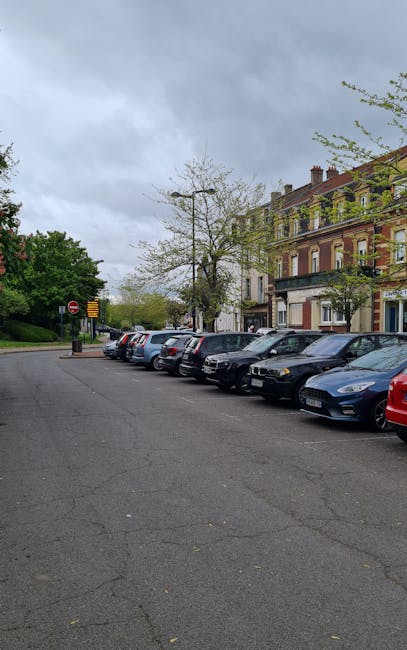
Navigating flats on Western Avenue: parking for movers
If you are moving into or out of a flat on Western Avenue, parking is rarely a small detail. It is usually the detail that decides whether the day feels calm or chaotic. Narrow roads, busy traffic, shared entrances, stairwells that seem to go on forever, and a van that needs to stop at exactly the right spot can all pile up very quickly. That is why Navigating flats on Western Avenue: parking for movers matters so much.
In practice, the best move is rarely just about lifting boxes. It is about access, timing, communication, and choosing the right vehicle position so your movers can work safely without blocking neighbours, loading bays, or passing traffic. If you are trying to avoid last-minute stress, this guide walks through what actually works, what tends to go wrong, and how to make a flat move on Western Avenue feel a lot more manageable. To be fair, a little planning goes a long way here.
Table of Contents
- Why parking for movers on Western Avenue matters
- How parking for flat moves on Western Avenue works
- Key benefits and practical advantages
- Who this is for and when it makes sense
- Step-by-step guidance
- Expert tips for better results
- Common mistakes to avoid
- Tools, resources and recommendations
- Law, compliance, standards and best practice
- Options, methods or comparison table
- Case study or real-world example
- Practical checklist
- Conclusion
- Frequently asked questions
Why Navigating flats on Western Avenue: parking for movers Matters
Parking is the first domino. If the van can't get close enough to the building, everything else takes longer: carrying, loading, protecting furniture, and even simple things like moving a mattress through a tight hallway. On Western Avenue, where traffic flow and local access patterns can vary from block to block, the difference between a sensible parking plan and a vague one can be huge.
For flat moves, you are usually dealing with more constraints than a house move. There may be limited curb space, residents' bays, time restrictions, permit requirements, or shared access with nearby businesses. There may also be practical issues that nobody thinks about until moving day: a low tree branch, a raised kerb, a gate code that has not been shared, or a delivery van already in the best spot. Little things. Big impact.
And let's face it, movers do their best work when they can keep momentum. A short walk from van to front door is ideal. Fewer trips, less heavy lifting, less chance of damage, and a calmer building entrance for everyone else. If you want a broader view of the move itself, the team's flat removals service in Park Royal is a useful place to start.
Expert summary: the closer the vehicle can park safely and legally to your flat entrance, the smoother the move usually becomes. That simple.
How Navigating flats on Western Avenue: parking for movers Works
The process is less mysterious than it sounds. Good parking for a flat move comes down to understanding the route from van to door, then removing friction from that route. In real terms, that means figuring out where the van can stop, how long it can stay there, whether the building has reserved bays or a shared forecourt, and whether there are any loading restrictions or access rules to respect.
Most organised moves begin with a quick access check. Sometimes this is done during the survey or booking stage; sometimes it is a short phone call with the resident. The goal is simple: avoid turning up on the day and discovering the nearest legal parking space is three streets away. That is not the kind of surprise anyone wants.
A sensible parking plan usually includes:
- the exact flat address and entrance used for moving
- the most practical stopping point for the van
- any building rules about loading, lifts, or shared spaces
- likely traffic pinch points on Western Avenue or nearby side streets
- a backup location if the first choice is occupied
If the move includes a full van load or several bulky items, planning the van itself matters too. A smaller vehicle may be easier to position, while a larger vehicle may reduce trips. For broader transport options, see the company's man with a van Park Royal page and the removal van Park Royal service information.
One practical note: parking access is not just about convenience, it is also about keeping the move safe. The shorter the carry, the lower the strain on the team, and the easier it is to protect fragile items, bannisters, and door frames. Small mercy, really.
Key Benefits and Practical Advantages
Good parking planning may sound dull on paper, but the benefits show up immediately on moving day. The biggest advantage is time. If movers can park near the entrance, they spend less time walking back and forth and more time actually moving your belongings. That can make a noticeable difference, especially in flats with stairs or no lift.
There is also a clear safety benefit. Carrying furniture over a longer distance increases the chance of knocks, slips, and awkward turns. If a sofa or wardrobe has to be angled through a lobby and around a parked car, the risk goes up. A tighter, simpler route is almost always better.
For the resident, the practical advantages are just as real:
- faster completion times
- less disruption to neighbours
- lower risk of damage to walls, floors, and items
- fewer repeated lift-and-carry movements
- better coordination between packing, loading, and departure
If you are still in the planning stage, it can help to pair parking decisions with other move prep. A strong packing plan matters more than people think, and the guidance on smart packing for relocation fits nicely alongside access planning. Likewise, a bit of pre-move sorting from decluttering strategies for moving can reduce the number of trips and make parking less of a headache.
There is another quiet benefit too: a well-planned move feels more professional. The building is less disturbed, your possessions are handled with more care, and the whole day tends to feel less frantic. People remember that. Usually with relief.
Who This Is For and When It Makes Sense
This topic matters to almost anyone moving from a flat on or near Western Avenue, but some people need it more than others. If you live in a top-floor flat, a managed block, or a property with limited front access, parking can become the make-or-break factor. Same thing if you have bulky furniture, heavy white goods, or a narrow stairwell.
It is especially relevant if you are:
- moving from a flat with no private driveway
- sharing access with other residents or businesses
- moving during busy daytime traffic hours
- working with a tight time slot from a landlord, agent, or building manager
- planning a same-day move and need rapid loading
Students often face this issue because they move with smaller budgets and simpler plans, but still need reliable access. That is where student removals in Park Royal can be a smart fit. On the other hand, families moving larger sets of furniture may need the wider support of house removals in Park Royal or a more complete removal service.
When does it make sense to think about parking early? Honestly, as soon as you know the moving date. If your flat is on a busy stretch, or if you are not sure about permits and stopping space, it is worth checking before anything else gets booked. Parking problems have a nasty habit of becoming time problems, and then budget problems too.
Step-by-Step Guidance
Here is a straightforward way to approach parking for movers on Western Avenue without overcomplicating it.
- Identify the exact entrance. Flats can have front and rear access, side gates, or a shared lobby. The moving entrance should be the one that gives the shortest and safest route.
- Measure the carry distance. A short walk from van to door is ideal. If the carry is long, factor in more time and more hands if needed.
- Check restrictions and local controls. Look for permit bays, loading bays, red routes, single yellow lines, resident-only spaces, or time-limited stopping areas. If you are unsure, ask the building manager or local council guidance before the day.
- Reserve building access where possible. Some blocks need lift booking, concierge notice, or a key fob arrangement. Don't leave that to chance.
- Choose the vehicle based on access. A medium van may be easier to position than a larger one, especially if the road is tight. The best vehicle is the one that fits the job and the street.
- Plan the loading order. Put heavy or fragile items closest to the exit inside the flat, so they can be loaded first or last without extra shuffling.
- Have a fallback spot. If your first parking choice is taken, know where the backup is. One occupied bay should not derail the whole move.
It sounds simple, but the sequence matters. If you solve the parking issue first, every other part of the move becomes easier. That's the honest version.
If you want a deeper look at the handling side of things, the article on heavy lifting tips and the companion guide on kinetic lifting are both useful reads before moving day. They help you understand why the path from van to flat matters so much.
Expert Tips for Better Results
Here are the small, practical things that make a big difference. None of them are flashy, but they save time and irritation.
- Visit the area at the same time of day as the move if you can. Morning access can look very different from late afternoon access.
- Take photos of the entrance and parking area. This helps the movers judge the route and any awkward corners or kerbs.
- Keep one person free to manage the van. Having someone ready to guide parking and watch for pedestrians is often overlooked.
- Use protective coverings near the entrance. Hallways, thresholds, and stair corners are easy to scuff during busy loading.
- Label bulky items clearly. A mattress, sofa, or piano can be placed first in the safest order if the team knows exactly what is going where.
Here is a tiny real-world moment. We have all seen the building where one neighbour has half-parked on the corner, another car is a bit too far over the line, and suddenly the best access point is gone. That is why a backup plan matters. Not because something dramatic is likely, but because normal city life is a little messy. That's all.
If you are moving larger furniture, the specialised advice in furniture removals in Park Royal can be especially relevant. For awkward or high-value items, you may also want the focused support offered by piano removals. A piano on a bad parking day is no one's idea of fun.
Quick expert reminder: parking is not just a logistics detail. It shapes the safety, speed, and cleanliness of the whole move.
Common Mistakes to Avoid
Most moving problems around Western Avenue are predictable. That is the annoying bit. The good news is that predictable problems are easier to avoid.
- Assuming "there will be space". There might be. Or there might not be. Never rely on hope as a parking plan.
- Not checking whether the van can legally stop near the entrance. Short-term stopping and legal parking are not always the same thing.
- Forgetting to tell movers about stairs, lifts, or long walks. This affects timing and vehicle choice.
- Leaving access details until the day itself. Gate codes, concierge instructions, and booking slots should be confirmed earlier.
- Trying to move at peak traffic without a buffer. Even a modest delay can throw off the whole schedule.
- Overloading the smallest possible vehicle. Fewer trips are good, yes, but not if parking becomes impossible.
A common one is forgetting the post-move clean-up. A blocked entrance, a bit of packaging debris, and muddy footprints can all annoy neighbours and landlords. If you want to leave things tidy, the move-out cleaning tips guide is a handy companion.
Another easy miss? Heavy or awkward items that need special handling. Beds, mattresses, and white goods often create parking pressure because they take longer to carry. See the practical advice on transporting a bed and mattress and the notes on protecting a freezer during idle periods if those items are part of your move.
Tools, Resources and Recommendations
You do not need a toolbox full of specialist kit to handle parking well, but a few simple resources help a lot.
- Phone maps and street view. Good for checking road width, bay layout, and entrance visibility.
- Building manager or concierge contact. Often the fastest route to clarifying access rules.
- Move inventory list. Helps match parking decisions to the amount and size of furniture.
- Protective covers and blankets. Useful when the carry from van to flat is short but awkward.
- Boxes with clear labels. They reduce search time and loading confusion. The service page for packing and boxes in Park Royal can help if you still need materials or packing support.
It can also help to understand the wider moving support available locally. A quick look at the services overview gives a broader picture of how different move types are handled. If time is tight, the same-day removals option may be relevant, provided access and parking are confirmed early.
For readers comparing providers, the useful questions are usually practical ones: Can they handle flats? Do they help with access planning? Do they offer the right vehicle size? Those questions tell you more than a shiny claim ever will.
Law, Compliance, Standards, or Best Practice
Parking and moving in London often touches on local restrictions, building rules, and safety best practice. Exact requirements can vary by street and by property, so it is always sensible to check the current council guidance, signage, and any instructions from the building manager before the move.
In general, the safest approach is to assume that stopping is not the same thing as parking, and that a convenient spot is not necessarily a permitted one. If loading restrictions apply, they may have time limits or specific conditions. Those details matter. A mover who ignores them can create delays, fines, or complaints from neighbours, and that is no one's best day.
There are also practical standards around safety. Moving teams should protect common areas, manage manual handling carefully, and avoid obstructing entrances or emergency routes. If you want to understand the company's broader approach, the health and safety policy and insurance and safety information are useful trust-building pages to review.
For responsible disposal and wrapping waste, the company's recycling and sustainability page is also worth a look. It is often the little things - box recycling, reuse of packing materials, careful handling of waste - that show whether a service is genuinely well run.
Practical note: if anything about parking, access, or permissions is unclear, ask before the move, not during it. That rule saves more stress than it sounds like it should.
Options, Methods or Comparison Table
Not every flat move on Western Avenue needs the same parking approach. The right method depends on the building, the vehicle, and how much you are moving.
| Approach | Best for | Advantages | Trade-offs |
|---|---|---|---|
| Kerbside parking close to the entrance | Most flat moves with clear street access | Short carry, faster loading, less strain | May be restricted by traffic, permits, or other vehicles |
| Shared forecourt or resident bay | Managed blocks or buildings with designated access | Predictable stopping point and usually safer access | Often requires permission or prior coordination |
| Backup street parking | Busy roads where the first option may be occupied | Useful contingency and less disruption if the main bay is taken | Can add carry distance and time |
| Smaller vehicle with easier manoeuvring | Tight streets, compact loads, or awkward turning areas | Easier parking and access in confined spaces | May require more trips if the load is large |
| Larger van with pre-cleared access | Full flat moves with many large items | Fewer trips and more efficient loading | Needs better parking confidence and more space |
In simple terms, choose the method that reduces walking distance without creating a parking problem. The cheapest-looking option is not always the best one if it adds half an hour of carrying and re-parking. That is just friction wearing a hat.
Case Study or Real-World Example
Imagine a one-bedroom flat move from a mid-rise building near Western Avenue. The resident has a bed frame, mattress, sofa, two bookcases, a fridge-freezer, and several boxes. The building has shared access, but no private driveway. The obvious mistake would be to assume the van can stop directly outside for as long as needed.
Instead, the move works better when the access is planned in layers. First, the resident confirms the building's entrance rules and lift booking. Next, the movers identify a legal stopping point close to the flat entrance. The vehicle is selected with manoeuvrability in mind, not just capacity. The heavier items are loaded first, with blankets and straps ready. A second person keeps watch on the street so the van can be repositioned quickly if needed.
The result? Fewer stops, less waiting, and no last-minute scramble around other parked cars. There is still a bit of noise, obviously, because moving day is moving day. But the whole thing feels controlled rather than stressful. And that matters to people living in the building too.
If the move had been even larger, storage might have entered the picture. For temporary overflow, storage in Park Royal can be a sensible way to reduce same-day pressure and simplify parking logistics.
Practical Checklist
Use this checklist before moving day. A quick run-through can save a lot of trouble later.
- Confirm the exact flat entrance and whether there is rear or side access
- Check if the street has parking restrictions, loading limits, or permit bays
- Ask the building manager about lift booking, access codes, or time windows
- Identify one primary parking spot and one backup option
- Share the access details with your movers in advance
- Measure or estimate the distance from van to door
- Make sure large items are ready near the exit
- Protect hallways, corners, and door frames where needed
- Keep mobile contact available on the day
- Build in a little extra time for traffic and parking changes
A tiny bit of prep here pays off more than people expect. Especially on a road where access can change from one hour to the next.
Get a free quote today and see how much you can save.
Conclusion
Parking for movers on Western Avenue is not a minor admin task. It shapes the pace, safety, and overall feel of the whole move. Once you think in terms of access routes instead of just addresses, the job becomes much clearer. You start spotting the likely bottlenecks before they turn into problems, and that is half the battle won.
The best approach is usually simple: confirm access early, choose a practical van size, keep a backup parking option, and match your packing and lifting plan to the building layout. Do that, and the move feels far less like a scramble and more like a process. Not perfect, maybe. But properly under control.
And in moving, that calm feeling counts for a lot. Honestly, sometimes it is the difference between a long day and a manageable one.
Frequently Asked Questions
Do movers usually need special parking arrangements for flats on Western Avenue?
Often, yes. Flats commonly have limited curb space, shared entrances, or local restrictions that make advance planning worthwhile. Even when no formal permit is needed, it helps to confirm the best stopping point before the van arrives.
How far from the entrance can the van reasonably park?
There is no single rule, because it depends on the number of items, the stairs, and the building layout. In practice, the closer the better. A short carry is safer and faster, especially with bulky furniture.
Should I check parking with the council or the building manager?
Both can be useful. The building manager or concierge can clarify access rules, while council guidance helps with street restrictions, bay types, and loading rules. If in doubt, check both rather than guessing.
What if the nearest parking space is already taken on moving day?
That is why a backup plan matters. A good mover will know where else the van can stop legally without causing problems. It may add a little walking distance, but it should not derail the move.
Is a smaller van better for flats on Western Avenue?
Sometimes, yes. A smaller van can be easier to position on a busy street or in a tight bay. But if you have a lot to move, you may still need a larger vehicle to reduce trips. The best choice depends on access and volume together.
Can movers help with parking planning?
Yes, many experienced movers can advise on access and parking based on the property type and the items being moved. Sharing photos, building details, and any restrictions in advance makes this much easier.
What items make parking and access more difficult?
Large sofas, wardrobes, mattresses, pianos, and white goods often add pressure because they are slower and trickier to carry. If those items are part of your move, it is worth reviewing specialised guidance for each one before the day.
Do I need to book lift access for a flat move?
In managed blocks, often yes. Some buildings require lift booking or a time slot so movers can work without conflicts. It is a small thing, but forgetting it can cost a surprising amount of time.
How early should I sort out parking for a flat move?
As early as you can. Ideally, parking and access should be confirmed as soon as the moving date is set. The more time you have, the easier it is to spot restrictions or arrange alternatives.
What should I tell the movers before the day?
Share the full address, best entrance, access codes, any parking limits, lift details, and whether there are stairs or narrow corridors. Photos are helpful too. The more specific you are, the easier it is for the team to plan.
What if I need to move quickly at short notice?
If timing is tight, focus first on access and vehicle availability. A same-day move can work well if parking is clear and the route is simple. For faster support, the same-day removals guide for Park Royal to Acton is a useful read.
How can I reduce disruption to neighbours during the move?
Use the shortest safe route, avoid blocking shared entrances, keep noise down where possible, and make sure the van does not sit in a way that traps other vehicles. A little courtesy goes a long way in flats, especially on a busy road.
Where can I learn more about booking a reliable local move?
Start with the main removals in Park Royal page or the company's about us page if you want to understand the service approach first. If you prefer a quick quote, the pricing and quotes page is the natural next step.