Moving from Park Royal Industrial Estate? Logistics tips
Posted on 06/05/2026
Moving from Park Royal Industrial Estate? Logistics tips for a smoother, safer relocation
If you're planning a move from Park Royal Industrial Estate, the logistics can feel like the part nobody warned you about. The loading bay timing, van access, building rules, parking, the awkward desk that never quite fits through the door, and the one item everyone forgot to label. It adds up fast.
This guide pulls the moving day puzzle into one place. You'll get practical logistics tips for planning, packing, loading, transport, and handover, plus a few real-world details that tend to get missed until the last minute. Whether you're relocating a small unit, an office floor, stock, or a mix of furniture and equipment, the aim is simple: fewer surprises, less downtime, and a move that feels under control.
And to be fair, that calm feeling matters more than people admit.
Why Moving from Park Royal Industrial Estate? Logistics tips Matters
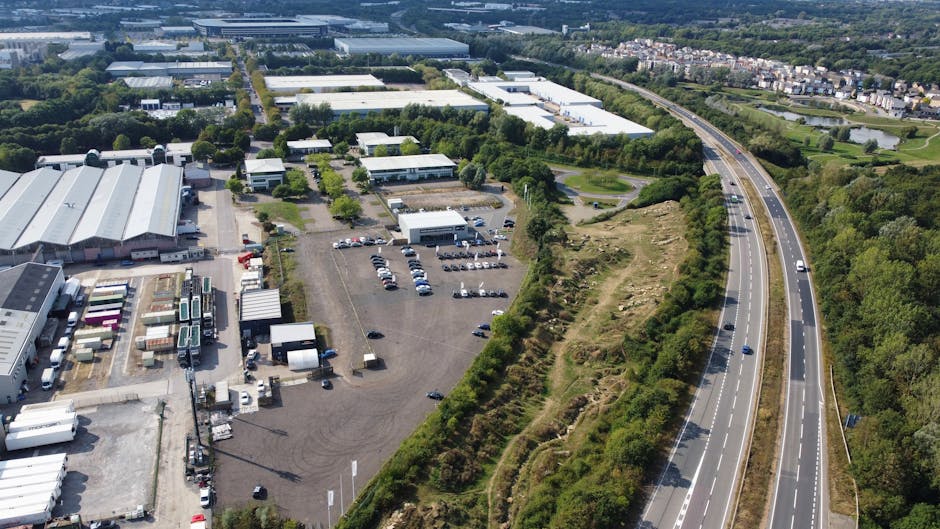
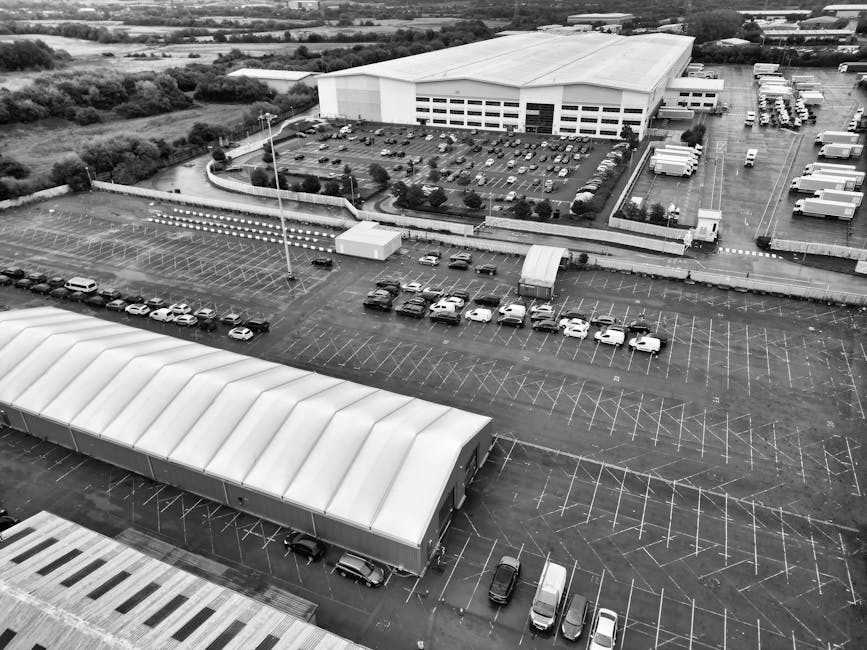
Park Royal is one of London's busiest industrial and commercial areas, which is exactly why relocation logistics need more thought than a standard home move. You may be dealing with shared access roads, tight turning space, time-restricted loading, lorry traffic, neighbouring businesses running to their own schedules, and a building manager who wants everything booked in writing. It only takes one missed detail for a straightforward move to turn into an expensive, frustrating day.
Good logistics planning protects three things: your time, your equipment, and your business continuity. If a unit closes late, a stock delivery gets held up, or IT equipment arrives without the right order of unpacking, people lose hours. Sometimes a whole working day. That's why smart relocation planning is not just about getting boxes from A to B; it's about keeping the business moving while the move is happening.
In practical terms, moving out of an industrial estate often means balancing multiple priorities at once:
- access for vans or lorries
- safe handling of machinery, stock, furniture, or files
- clear labelling and load sequencing
- timing around staff, clients, and neighbours
- possible storage gaps between sites
If you want the wider moving process to feel less chaotic, it helps to read around the subject too. Guides like mastering a stress-free move and smart packing solutions for a seamless relocation are useful companions to the logistics side of the job.
Here's the short version: the better the logistics, the less chance of damage, delays, and that sinking feeling when you realise the keys are in one van and the printer cables are in another. Not fun.
How Moving from Park Royal Industrial Estate? Logistics tips Works
A good relocation plan starts with mapping the move before anything is packed. That means identifying what is moving, what is staying, what needs dismantling, what needs special handling, and what absolutely cannot be left until the last minute. It also means checking the route, access point, and unloading plan in advance. Sounds obvious, but it's where many jobs slip.
For industrial estate moves, the process usually follows a fairly reliable pattern:
- Survey the site - check entrances, stairs, lifts, parking, and any restrictions.
- Sort inventory - list furniture, stock, tools, computers, and fragile items separately.
- Assign priority items - decide what must be loaded first and unloaded first.
- Prepare the packing system - use labels, colour codes, and department names if needed.
- Book transport properly - match the vehicle size and load type to the actual move.
- Coordinate handover timing - make sure the new site is ready before the old one is cleared.
In a business setting, "how it works" also includes communication. Staff need to know where items are going. The building manager may need arrival times. Suppliers may need a temporary delivery address. If you're moving an office or mixed workspace, a little planning around people matters just as much as planning around boxes.
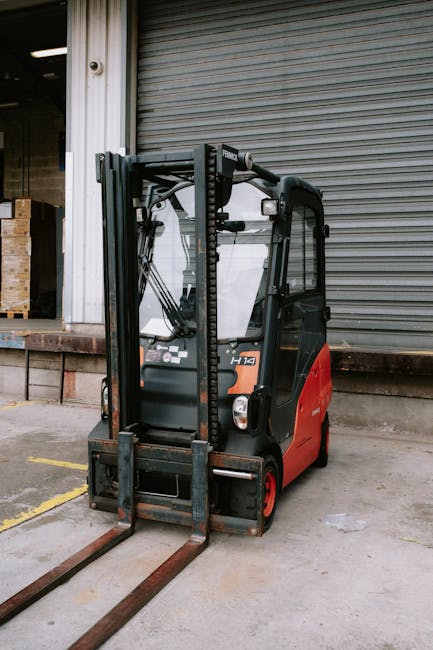
For items that need specialist treatment, the method changes. A heavy desk is not the same as a server rack, and a piano is definitely not the same as a rolling chair. If your move includes bulky or delicate pieces, look at furniture removals in Park Royal and, where needed, professional piano removals support so the transport plan matches the item rather than the other way round.
That distinction matters more than people think. A plan that works for boxes can fall apart the moment a large cabinet or awkward machine enters the picture.
Key Benefits and Practical Advantages
When the logistics are handled well, the move stops feeling like damage control and starts feeling like an organised transition. That's the real value.
Here are the practical advantages people notice most:
- Less downtime - teams get back to work sooner because critical items are unpacked first.
- Lower risk of damage - better loading order and packing methods reduce breakage.
- Cleaner chain of responsibility - everyone knows who packed what and where it went.
- Better vehicle use - the right van size avoids wasted trips or unsafe overloading.
- Smoother access control - timed arrivals reduce friction with neighbours or site managers.
- Less staff stress - people can focus on work instead of hunting for the kettle or the Wi-Fi router.
There's also a less obvious benefit: better decision-making. Once you treat the move as a logistics exercise, it becomes much easier to separate essentials from clutter. That alone can cut the weight of the job considerably. If you're unsure what should travel and what should go, decluttering strategies for a simpler move can help you trim the load before moving day even arrives.
For businesses with flexible storage needs, a temporary gap between sites is not a problem if the plan already includes storage or staged delivery. In some cases, using storage in Park Royal is the difference between a rushed move and a tidy, phased relocation. Truth be told, phased moves often feel calmer from the first hour.
Who This Is For and When It Makes Sense
This kind of logistics planning is useful for anyone moving goods, equipment, or furnishings out of Park Royal Industrial Estate. It's especially relevant if your move involves more than just a few boxes.
It makes sense for:
- small and medium businesses relocating between industrial or commercial units
- office teams moving desks, IT, archives, or meeting room furniture
- traders or workshop operators shifting tools, stock, and display items
- landlords or tenants clearing a unit at the end of a lease
- students or shared renters moving from nearby flats or rooms after a work placement or short-term let
- families or individuals who are balancing a commercial move with a home move at the same time
It also makes sense when timing is tight. If you need to vacate by a fixed date, coordinate same-day transport, or avoid interrupting trading hours, the move becomes a scheduling problem as much as a physical one. That's where a local service like same-day removals in Park Royal can be useful, provided the load is suitable and the plan is clear.
And yes, the smaller moves matter too. A one-room studio or a flat above a shop can be trickier than people expect. For those cases, flat removals in Park Royal or student removals may fit the job better than a big-scale commercial service. The goal is fit, not overselling.
Step-by-Step Guidance
Here's a practical way to approach the move without drowning in details. Keep it simple, but not careless.
1. Walk the site before you pack a single box
Look at access points, stairs, doors, lift sizes, turning areas, and any pinch points. If you have a loading bay, note who controls it and when it can be used. Park Royal can be busy at awkward times, so a ten-minute site check can save an hour of confusion later. That's not exaggerating.
2. Build an item list by category
Separate furniture, IT, documents, stock, fragile items, and specialist equipment. If you only use one list, you'll probably miss something awkward, like a monitor stand or an under-desk file cabinet that nobody remembers until the last minute. Label by room, department, or function.
3. Decide what should travel together
Some things need to stay paired. Computer cables with the correct monitor. Chairs with the desks they belong to. A printer with the toner and power leads. Keep small components in sealed bags and tape them to the item or pack them in a clearly marked box.
4. Prepare fragile and awkward items properly
Wrap glass, protect screens, secure drawers, and remove loose parts. If you are moving a mattress or bed frame, follow a specific packing method rather than winging it. A useful starting point is these bed and mattress transport tips. For soft furnishings, sofa storage guidance can help if the item is going into storage before delivery.
5. Match the vehicle to the load
Too small and you create extra trips. Too large and you may waste money or struggle with access. A properly chosen vehicle makes a huge difference when you're dealing with loading restrictions or mixed cargo. If you need a suitable vehicle for narrow roads or quick turnarounds, a removal van in Park Royal can be a practical option.
6. Load in reverse order of need
Put the least urgent items at the back and the first-needed items nearest the exit or the front of the vehicle, depending on the unloading plan. It sounds basic, but it saves the kind of scrambling that happens when the kettle is buried under office chairs and a box marked "misc". Which, let's face it, happens more than people admit.
7. Confirm arrival and unloading at the new site
Make sure the destination is ready. Check keys, access codes, lift booking, parking permissions, and the order of rooms or zones for unloading. If your new premises need a handover or staged move-in, write it down. Do not rely on memory alone. Memory is lovely right up until moving day.
8. Keep a small essentials kit separate
This should include tape, marker pens, scissors, cleaning cloths, chargers, water, snacks, and a basic tool kit. One staff member should know exactly where it is. It makes the first hour at the new site much easier.
Expert Tips for Better Results
Good logistics are often the result of small decisions done well. Here are the details that tend to separate a smooth move from a messy one.
- Use colour coding for departments, floors, or zones. It speeds up unloading and reduces mistakes.
- Photograph cable setups before unplugging anything. A quick phone photo saves time later.
- Protect floors and door frames if the route is tight. A little protection beats a repair bill.
- Keep high-value items under direct supervision rather than packing them into general loads.
- Schedule heavy lifting early in the day while everyone is fresh.
- Use proper lifting techniques and don't guess. If you need a refresher, heavy lifting tips and kinetic lifting principles are worth a look.
One especially useful habit: build a "first hour" box for the new site. Include tape, a kettle, chargers, extension leads, basic cleaning supplies, and any paperwork needed for opening the premises. That first hour is always a little chaotic. Better to plan for it than pretend it won't happen.
If you're moving bulky tables, shelving, or mixed furniture, professional help can make the difference between careful transport and a very long afternoon. A service such as man with a van in Park Royal or broader removal services in Park Royal can be a sensible fit when the job needs flexibility without overcomplicating things.
Common Mistakes to Avoid
Most moving problems are predictable. That's the good news. The bad news is people still make them. Here are the ones worth dodging.
- Leaving route planning too late - access issues are easier to fix before the van is booked.
- Assuming all items are standard - one specialist piece can change the whole plan.
- Poor labelling - without clear labels, unpacking becomes a scavenger hunt.
- Mixing essentials with non-essentials - it slows the setup at the new site.
- Forgetting storage gaps - if the new premises are not ready, you need a bridge plan.
- Ignoring cleaning and handover duties - end-of-lease issues can become expensive quickly.
- Overloading staff on the day - tired people make poor lifting and packing decisions.
One less obvious mistake is underestimating how long dismantling takes. Shelving, desks, and modular units often take longer than expected, especially if screws, fixings, or assembly instructions have gone missing. You know the type. The tiny bag of bolts that vanishes into the ether.
If the move-out includes clear-down work, it is worth pairing the logistics plan with a proper finishing plan. A guide such as move-out cleaning tips can help you avoid leaving the site in a rushed state.
Tools, Resources and Recommendations
You do not need a mountain of equipment to move well. You need the right tools for the actual job. Keep it practical.
| Tool or resource | Why it helps | Best used for |
|---|---|---|
| Heavy-duty boxes | Holds files, stock, or office items securely | General packing and storage |
| Bubble wrap and blanket padding | Protects fragile surfaces and corners | Glass, screens, furniture |
| Marker pens and labels | Makes sorting and unloading faster | Room, department, or priority coding |
| Trolleys and sack trucks | Reduces strain and speeds up movement | Heavy boxes, equipment, appliances |
| Tool kit and cable ties | Supports dismantling and reassembly | Desks, shelving, IT, modular furniture |
| Temporary storage | Creates flexibility if one site is not ready | Phased relocations or delayed handovers |
For packing materials, a dedicated supply source makes a real difference. Take a look at packing and boxes in Park Royal if you want to keep your kit consistent rather than piecing together random supplies from five different shops. Also, if you are comparing service levels or want to understand what's included, the services overview is a sensible starting point.
For cost planning, asking for a clear written quote is always better than guessing. The page on pricing and quotes can help you understand how the moving job is framed before you commit. Nice and simple, really.
Law, Compliance, Standards, or Best Practice
For business relocations, compliance is not something to leave for the end of the week. You may need to think about health and safety, insurance, access rules, data protection for documents or devices, waste handling, and any landlord or building requirements tied to the premises. The exact duties depend on the property, the items being moved, and how your business operates, so it is wise to check the relevant terms rather than assume.
In the UK, the general expectation is that moves are carried out safely and responsibly. That usually means:
- using suitable lifting and loading methods
- protecting workers and third parties from avoidable hazards
- handling property with reasonable care
- confirming any site-specific access or parking rules
- keeping paperwork, inventories, and handover notes where needed
If your move involves staff lifting, loading, or dismantling items, the employer should think carefully about safe working practices. It is also wise to make sure insurance cover is understood before the first box moves. For more detail, the company's health and safety policy and insurance and safety information are relevant pages to review.
Where stock disposal or excess materials are involved, sustainability matters too. Recycling packaging, donating usable items, and reducing unnecessary waste are all sensible best practices. If that side matters to your business, the recycling and sustainability page is worth a look. No drama, just better habits.
One more point: if you are using contractors, make sure terms, access times, and responsibilities are clear. A move is much easier when everyone understands who is doing what. If there is a problem later, it also helps to know the process for raising it, so the complaints procedure and terms and conditions are useful references.
Options, Methods, or Comparison Table
There is no single best way to move from Park Royal Industrial Estate. The right method depends on distance, volume, urgency, item type, and how much help you need. Here's a straightforward comparison.
| Method | Best for | Pros | Watch-outs |
|---|---|---|---|
| DIY move | Very small loads, low-risk items | Flexible, can feel cheaper upfront | High time cost, lifting risk, more chance of delays |
| Man and van | Small to medium moves, mixed items | Adaptable, practical for local relocations | Needs careful planning for larger or specialist items |
| Full removal service | Office, business, or large property moves | More support, better for structured relocations | Usually requires clearer booking lead time |
| Staged move with storage | Phased handovers or delayed access at the new site | Flexible, reduces pressure on handover day | Requires extra planning and coordination |
For many Park Royal relocations, the man-and-van approach is a practical middle ground. It works well when you need someone local, responsive, and able to handle mixed loads without the overhead of a larger operation. If that sounds close to your situation, man and van services in Park Royal are worth considering. For bigger business moves, office removals in Park Royal may be a better fit.
Case Study or Real-World Example
Here's a realistic scenario. A small design-and-distribution business on the estate needs to move to a new unit nearby. They have desks, monitors, sample stock, boxed files, a few awkward display units, and one heavy cabinet that nobody seems fully responsible for. It's not huge, but it's not light either.
The move goes better when they do three things early. First, they separate daily-use items from long-term archive boxes. Second, they label every work area by colour and department. Third, they book a vehicle that fits the load rather than trying to "make it work" with a random van and a lot of optimism. That last part is more common than people like to admit.
They also avoid one classic mistake: moving the computers before the desks are actually in place. So the setup team has to wait, and everyone stands around looking helpful but doing nothing. Been there? Many businesses have.
By the end of the day, the new space is not perfect, but it is operational. Staff can find what they need. The printer is where it should be. The essentials box is visible. And because the move was planned in the right order, nobody has to come back the next morning just to locate the power leads.
That is the real goal of good logistics. Not glamour. Just a working space, sooner.
Practical Checklist
Use this list a few days before the move and again on the morning of collection.
- Confirm the moving date, times, and access arrangements
- Check parking or loading permissions at both addresses
- List all items by category and priority
- Separate fragile, valuable, and essential items
- Label boxes clearly with room, department, or function
- Photograph cable setups and assembly points
- Prepare dismantling tools and packaging supplies
- Set aside an essentials box for the first hour
- Arrange storage if the handover dates do not align
- Review insurance, safety, and site-specific requirements
- Plan disposal or recycling for unwanted items
- Confirm who is responsible for keys, keys codes, and final checks
Key takeaway: if you plan the access, the loading order, and the first-hour setup before anything is moved, the rest of the job becomes much easier. Simple, but it works.
Conclusion
Moving from Park Royal Industrial Estate is rarely just about transport. It is a timing exercise, a coordination exercise, and sometimes a bit of diplomacy too. The businesses that cope best are usually the ones that treat the relocation as a logistics project from the start: clear inventory, sensible sequencing, proper access checks, and realistic expectations about what can happen in one day.
If you want the move to feel controlled rather than scrambled, focus on the basics that matter most: plan early, label properly, choose the right vehicle or service, and keep essential items separate. That alone can save a lot of stress, and a few headaches as well.
For the next step, review your load, your access points, and whether you need extra help with packing, storage, heavy items, or specialist handling. A small amount of planning now can make the whole relocation feel lighter. And honestly, that is a good feeling.
Get a free quote today and see how much you can save.