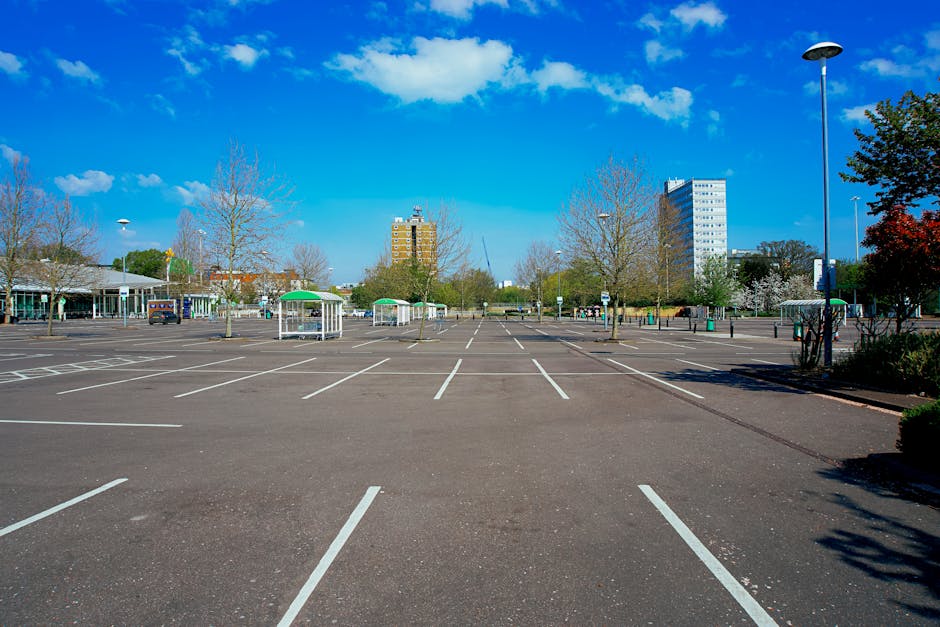
Ealing Council parking permits for Park Royal removals
Posted on 02/06/2026
Ealing Council parking permits for Park Royal removals: a practical guide for smoother moving day
If you are planning a move in Park Royal, parking can become the part that causes the most stress for no good reason. Vans need space, neighbours still need access, and a perfectly timed removal can unravel fast if the vehicle ends up circling the street. That is why understanding Ealing Council parking permits for Park Royal removals matters so much. It is not just admin. It is the difference between a calm loading window and a move day full of apologies, double-parking worries, and maybe a ticket you really did not need.
This guide explains how parking permissions usually work, why they matter in practical terms, who needs them, and how to plan the paperwork without letting it take over the day. You will also find a checklist, a comparison table, and a realistic example from a Park Royal-style move. Nothing dramatic. Just the sort of grounded detail that helps you avoid hassle.
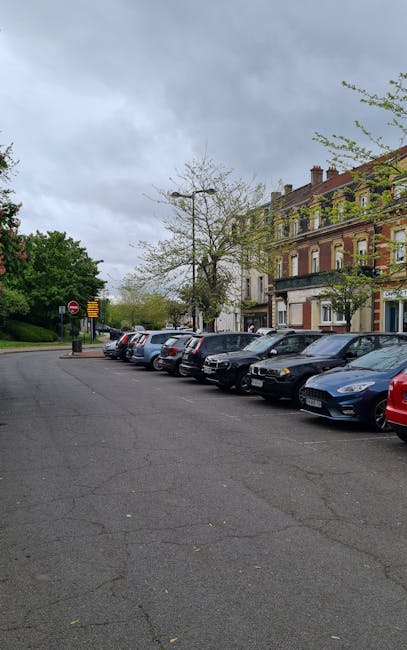
Why Ealing Council parking permits for Park Royal removals matters
Park Royal is busy. Very busy. It is one of those London areas where traffic, loading bays, side roads, and timing all seem to compete with each other at once. If you are moving house, flat, furniture, or office equipment, the vehicle often needs to be close to the property, and not just for convenience. It affects safety, speed, and the number of trips your team has to make.
Parking permits or temporary suspension arrangements, where available and appropriate, help reduce the risk of blocking traffic or landing your removal van in the wrong spot. They also help avoid last-minute improvisation, which is where moving plans start to wobble. To be fair, many removals are already a bit chaotic; parking should not be the thing that tips them over the edge.
In practical terms, a good parking plan can mean:
- quicker loading and unloading
- less walking distance for heavy items
- fewer delays from having to repark
- reduced risk of complaints from neighbours or building managers
- a lower chance of disruption to traffic or access routes
Even a simple move can become awkward if a van ends up several streets away. A sofa does not magically get lighter the longer you carry it. Wish it did.
If your move also involves larger or awkward items, you may find it useful to read our guide on personal heavy lifting and safer handling, especially if you are deciding what to move yourself and what to leave to professionals.
How Ealing Council parking permits for Park Royal removals works
The exact process can vary depending on the street, the property type, and the vehicle involved, so it is always wise to check the local rules early. In general, the aim is to make sure the removal vehicle can park legally and safely for the time needed to load or unload.
For removals, the situation usually falls into one of a few practical categories:
- Regular parking space - If you have access to private drive space, a loading bay, or a lawful parking area, you may not need a special permit.
- Resident-controlled or restricted street parking - If the van has to stop in a controlled bay, waiting restriction zone, or permit-only road, permission may be required.
- Temporary suspension or dispensation - In some cases, local parking controls can be adjusted for a short time to allow a removal vehicle to work safely.
- Short-stay loading - Some streets allow loading and unloading within specific rules, but this still needs careful checking because restrictions can be stricter than people expect.
Park Royal removals often combine domestic roads, industrial roads, and mixed-use access routes. That makes planning a little more nuanced than a standard suburban move. If you are moving from a flat, an upper-floor apartment, or an office unit, the vehicle may need to stay in place for longer than a quick drop-off. That is when parking detail becomes more than detail.
It also helps to think ahead about what is actually going onto the van. If you are packing awkward items or protecting appliances, our article on smart packing solutions for a seamless relocation can help you organise your load so the team is not wasting time on the pavement.
Key benefits and practical advantages
Parking permissions are not exciting, but they are powerful. They save time, and time is usually what a moving day runs out of first.
1. Faster loading and unloading
When a van can park close to the entrance, the team spends less time carrying boxes back and forth. That matters if you have stairs, tight hallways, or heavy furniture. It also means fewer rests in the middle of the job. Nobody enjoys the mid-move shuffle where everyone looks at each other and says, "Right, one more run."
2. Better protection for your belongings
The shorter the carry, the lower the risk of bumps, scrapes, and accidental drops. It is one of those quiet benefits people only really appreciate afterwards.
3. Less disruption to neighbours and traffic
Good parking planning makes the move feel less invasive. That can matter a lot in shared buildings, narrow roads, or busy commercial areas where access is already tight.
4. More accurate scheduling
If your removal company can park where it needs to, the schedule is easier to control. That helps if you are moving on a deadline, handing keys over, or coordinating with cleaners, landlords, or office staff.
5. Lower chance of avoidable penalties
Parking tickets and enforcement problems can turn a straightforward move into an expensive annoyance. Permissions do not remove every risk, but they reduce the obvious ones.
For larger or specialist items, consider whether a dedicated service is more sensible. For example, if you are moving a heavy upright instrument, piano removals in Park Royal is the kind of service that benefits from careful access planning, not just muscle.
Expert summary: The best removal days are usually the ones where the parking arrangement is sorted early, the van arrives where it should, and nobody has to improvise under pressure. Simple really.
Who this is for and when it makes sense
This topic is relevant to more people than you might think. Parking permissions are not just for large house moves. They can help in smaller, very ordinary situations too.
- House movers - especially if you live on a restricted street, near a corner, or in a busy residential zone
- Flat movers - stair access and loading distance make close parking more valuable
- Office relocations - business moves often involve time pressure and equipment that should not be carried far
- Student moves - small moves still become awkward when parking is limited and everything has to happen fast
- Same-day or short-notice moves - parking becomes even more important when timing is already tight
- Anyone using a man and van or removal van - if the vehicle is larger than a car, space and permissions matter
If you are not sure which service level suits your move, our services overview is a useful place to compare the different types of support available. Sometimes a move looks small on paper and turns out to be far from it once the boxes start stacking up in the hallway.
A quick rule of thumb: if the van cannot realistically stop right outside, or very near, your property without causing problems, it is worth planning parking properly. That is especially true in Park Royal, where roads and access routes can be less forgiving than people expect.
Step-by-step guidance
Here is a practical way to handle the process without turning it into a project of its own.
- Check the exact parking conditions at both addresses
Look at the street, nearby bays, restrictions, kerb space, and whether the vehicle can load legally for the time needed. Do this for both the pickup and delivery point if relevant.
- Identify the vehicle type and likely duration
A small van, a removal van, and a larger commercial vehicle can all face different limitations. Be clear about the approximate size and how long the vehicle needs to stay close.
- Confirm whether a permit, suspension, or loading allowance is needed
Do not assume a quick stop will be fine. In London, assumptions and parking restrictions do not get along very well.
- Build the parking plan into the move date
Leave enough lead time for applications, approvals, or alternative arrangements. If your move is time-sensitive, this is not something to leave until the night before.
- Tell everyone involved what the plan is
Your movers, your landlord or building manager, and anyone handing over keys should know where the vehicle is expected to stop and what access the team needs.
- Prepare the property for a shorter load window
Box items in order, label priority furniture, and clear the route to the door. A tidy path saves more time than people realise.
- Keep evidence and confirmation handy
If permission has been arranged, keep a copy accessible on move day. Paper or digital, whichever is easiest. The important thing is not having to hunt for it while carrying a mattress downstairs.
If your move includes storage or a staged move-out, our guide to stress-free moving preparation pairs well with the parking planning process because both are really about reducing chaos before it begins.
Expert tips for better results
Here are the small details that tend to make the biggest difference.
- Plan for peak traffic hours - A short parking stop can still become awkward if the road is clogged. Early morning is often easier than mid-afternoon, though local conditions vary.
- Measure the access route - Don't just think about the road. Think about the pathway from van to door, lift access, and any turns that make bulky items harder to carry.
- Keep a backup option - If the ideal space is unavailable, know where the next-best legal spot is. A good plan B saves a surprising amount of stress.
- Use the right removal vehicle - Sometimes a smaller, more manoeuvrable van is more practical than a bigger truck. That depends on the volume and the street layout.
- Coordinate fragile or awkward items separately - Items like beds, mirrors, and kitchen appliances often need extra care. Our article on transporting beds and mattresses safely is a good example of the kind of item-specific planning that pays off.
- Consider storage if timing is messy - If you cannot move everything in one go, short-term storage can reduce pressure. Take a look at storage options in Park Royal if the handover dates do not line up neatly.
Small note from experience: the best-looking moving plan on paper can still wobble if nobody knows where the van is meant to sit. Parking is one of those unglamorous details that quietly holds the whole day together.
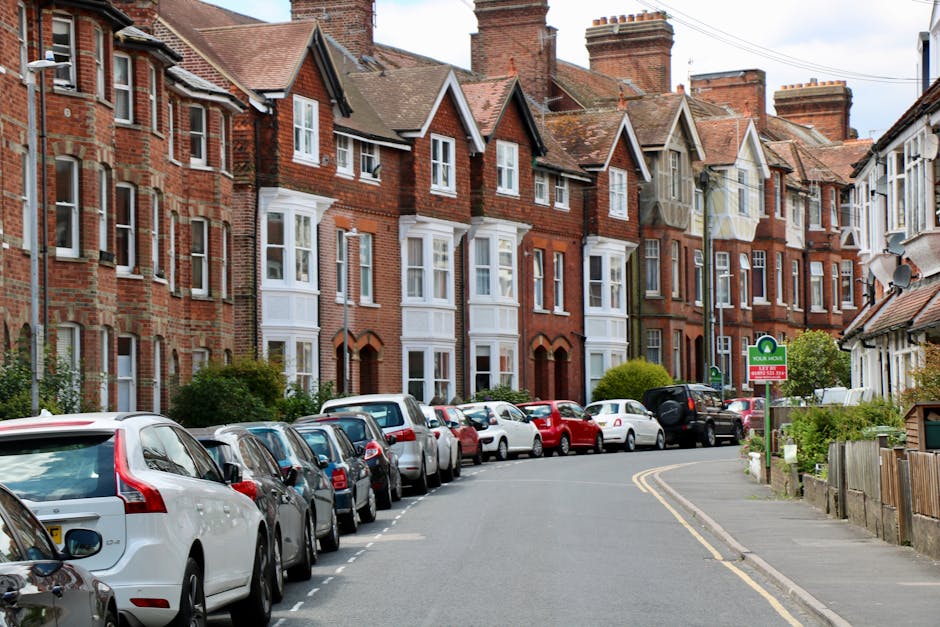
Common mistakes to avoid
Most parking problems during removals are preventable. The trick is knowing where people usually slip up.
- Leaving parking decisions until the morning of the move - that is when restrictions, traffic, and stress start to pile up.
- Assuming a loading bay is automatically usable - some bays have time limits or local conditions that still need attention.
- Forgetting about the destination address - people often plan the pickup side carefully and then discover the drop-off road is even tighter.
- Not accounting for larger vehicles - a vehicle that seems fine in daylight may be too long or awkward for a specific road layout.
- Ignoring building rules - private developments and managed blocks can have their own access requirements. Annoying, yes. But real.
- Not telling the movers about obstacles - steps, narrow gates, low branches, and uneven kerbs can affect where the vehicle should stop.
One more thing: if your move is in a flat or shared building, it is worth checking the practical access rules carefully. Our flat removals support in Park Royal is relevant where lifts, stairs, and communal access can all affect the parking plan.
Tools, resources and recommendations
You do not need a huge toolkit, but a few basics make the process smoother.
- Move inventory - a simple list of furniture, boxes, and bulky items helps estimate vehicle size and unloading time
- Floor plan or room labels - this helps decide which items need immediate unloading and which can wait
- Building access notes - codes, lift restrictions, concierge contact details, or loading instructions
- Printed or digital confirmation - helpful if there is any parking permission or restriction agreement in place
- Packing materials - sturdy boxes, tape, blankets, and wraps reduce delays and damage
If you are still packing, take a look at packing and boxes in Park Royal. Good packing and good parking go together more often than people think. If one is sloppy, the other ends up doing extra work.
For people comparing moving support, these pages can also help you map out the right next step:
- man with a van in Park Royal
- man and van services
- removal van options in Park Royal
- house removals in Park Royal
- office removals in Park Royal
Law, compliance, standards and best practice
Parking permissions, loading restrictions, and removal access in London should always be handled carefully. The exact local rules depend on the street, signage, and any controlled parking arrangements in place. Because of that, it is best not to rely on guesswork, old assumptions, or what worked for a neighbour last year.
Best practice is straightforward:
- check restrictions well before move day
- make sure the vehicle size suits the route and parking space
- avoid blocking access, pavements, or emergency routes
- keep any permission or instruction confirmation available
- follow any site-specific requirements from building management or the property owner
For moving firms, safety and responsible conduct matter too. If you want a better sense of the company's wider approach, their health and safety policy, insurance and safety information, and terms and conditions are worth reviewing before you book. Those pages may not sound thrilling, but they do build confidence. And in removals, confidence saves time.
It is also sensible to think about waste, packaging, and reuse. If you are clearing out old furniture or aiming for a lighter move, recycling and sustainability guidance can support more responsible decisions, especially when you are decluttering under pressure.
Options, methods and comparison table
Not every move needs the same parking approach. Here is a practical comparison.
| Option | Best for | Pros | Limitations |
|---|---|---|---|
| Private driveway or forecourt | Homes with off-street space | Simple, convenient, usually fastest | Not always available; may still need manoeuvring room |
| On-street legal loading | Short, well-organised moves | Flexible and often close to the property | May be time-limited or restricted by signage |
| Temporary parking permission or suspension | Longer removals in restricted streets | Reduces risk of parking issues, better access | Requires planning and may not suit last-minute jobs |
| Nearby legal alternative space | Moves with limited access | Useful fallback, often easier to arrange | Longer carrying distance, more time, more effort |
In most Park Royal removals, the best option is the one that balances legality, access, and speed. The cheapest-looking choice is not always the cheapest once you factor in extra labour time, delays, or parking enforcement. Funny how that works.
Case study or real-world example
A typical example: a two-bedroom flat move from a side street near Park Royal with a small lift and a narrow entrance. The client initially assumed the van could stop directly outside for an hour or so. In reality, the road had tighter access than expected and several bays were already in use by the time the move started.
Once the parking plan was adjusted, the team used the nearest lawful loading position, cleared the lift area first, and loaded the heavier items in priority order. The result? Fewer trips, less carrying distance, and a calmer overall feel. Nothing fancy. Just decent planning.
What made the difference was not brute force. It was coordination: knowing where the van would go, what needed to come out first, and which items could wait. That is exactly the kind of practical thinking that also helps with decluttering before a move and move-out cleaning, because a tidy exit often makes access simpler too.
Practical checklist
Use this before moving day so nothing important slips through the cracks.
- Confirm the pickup and drop-off addresses
- Check whether the road has controlled parking or loading restrictions
- Identify the best legal stopping point for the van
- Verify the vehicle size and parking space match
- Ask about permits, suspensions, or local parking permissions if needed
- Share access notes with the movers
- Arrange lift or entry access if the property uses one
- Prepare boxes so the loading order is efficient
- Protect fragile and awkward items in advance
- Keep permission confirmations handy on the day
- Build in a small time buffer for traffic or access delays
- Have a backup parking option in mind
If you are booking a short-notice move, it may also help to check same-day removals in Park Royal or even the guide to instant same-day moves from Park Royal to Acton, since urgent jobs need even tighter parking coordination.
Conclusion
Ealing Council parking permits for Park Royal removals are not just a bureaucratic side note. They are part of the moving strategy. When parking is sorted properly, everything else tends to breathe easier: the loading goes faster, the team carries less, the stress drops a bit, and the day feels more under control.
Whether you are moving a flat, house, office, or a couple of heavy items, the best approach is usually the same: check access early, plan the vehicle position carefully, and make sure the removal team knows exactly what to expect. That simple bit of preparation can save a lot of awkwardness later on.
And if you are still in the planning phase, that is perfectly fine. Most good moves are built from small decisions made early, not from last-minute heroics.
Get a free quote today and see how much you can save.